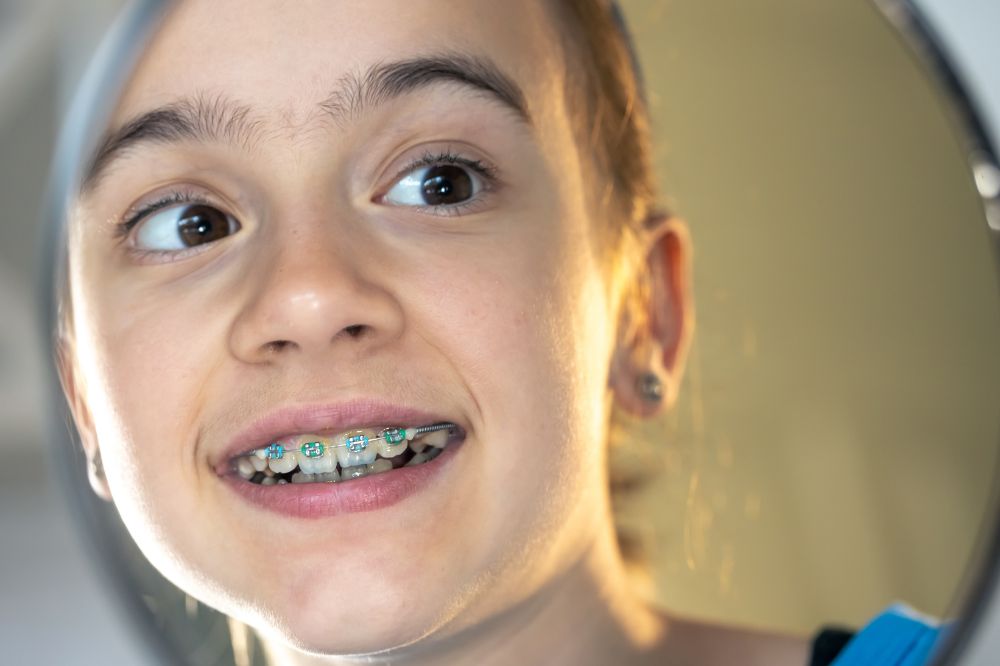
Understanding your child’s dental development is a key part of their overall growth. Many parents assume that orthodontic care is only for teenagers, but the foundation for a healthy smile is actually laid much earlier.
By the age of seven, most children have a mix of primary and permanent teeth, making it the ideal time for an initial evaluation. Consulting a specialized dentist near you allows for the early detection of jaw growth issues and emerging bite misalignments.
Taking action during these formative years ensures that your child’s adult teeth have the space they need to erupt correctly and efficiently.
Why Timing Matters for Younger Patients?
When a child is still growing, their jawbones are softer and more pliable than those of an adult.
This “window of opportunity” makes it much easier to guide the jaw into the correct position without the need for invasive measures later in life. Opting for early orthodontics in Apollo Beach focuses on Phase One treatment, which addresses structural problems while the child still has baby teeth.
By correcting the width of the dental arches or the alignment of the jaw now, you can often simplify or even eliminate the need for complex dental work during the teenage years.
Recognizing Common Bite Issues in Kids
Identifying a problem early can prevent a lifetime of discomfort. Several structural issues can interfere with a child’s ability to chew, speak, or even breathe properly.
Through early orthodontic treatment, specialists can address specific malocclusions before they become permanent fixtures of the child’s facial structure.
Common issues identified during early screenings include:
- Crossbites: Where the upper teeth sit inside the lower teeth, causing the jaw to grow lopsided.
- Overcrowding: When there is not enough room for permanent teeth to emerge straight.
- Protruding Teeth: Front teeth that stick out too far, making them highly susceptible to accidental chips or fractures.
- Underbites: When the lower jaw sits forward, it often leads to joint pain and uneven tooth wear.
How Interceptive Care Works
The goal of Phase One care is to “intercept” a developing problem. Various methods of orthodontic treatment are used to guide growth rather than just moving teeth.
For example, a palatal expander can gently widen a narrow upper jaw in a matter of months. Because the two halves of the upper jaw do not fuse until puberty, this process is painless and highly effective.
Other tools, such as space maintainers, help prevent the surrounding teeth from drifting into the space left by a baby tooth, blocking the permanent tooth underneath.
Selecting the Right Approach for Your Child
Every child’s mouth is unique, which is why there are several types of orthodontic treatment available depending on the specific goal.
While some children may only need a simple retainer, others might require limited braces or functional appliances to retrain oral muscles.
Common Early Treatment Tools
| Tool | What It Does | How It Helps |
| Palatal Expander | Widens the upper jaw | Creates room for crowded teeth and fixes crossbites. |
| Space Maintainer | Holds gaps open | Keeps a spot ready for an adult tooth to grow in. |
| Partial Braces | Straightens front teeth | Pulls back “buck teeth” so they don’t get hurt. |
| Functional Tools | Aligns the jaw | Helps the upper and lower jaw meet properly. |
The Long-Term Benefits of Early Action
Beyond just a straight smile, interceptive orthodontics provides functional benefits that last a lifetime.
When the teeth and jaws are correctly aligned, it is much easier for a child to maintain good oral hygiene. Straight teeth have fewer “hidden” nooks where plaque can accumulate, reducing the risk of cavities.
Further, correcting a bite can help your child improve their speech pattern and self-esteem during their most sensitive developmental years. Investing in their dental health now sets a standard for wellness that they will carry into adulthood.
Secure Your Child’s Healthy Future
Giving your child the gift of a functional, beautiful smile starts with a simple evaluation. By catching bite problems early, you can ensure their jaw develops naturally, and their permanent teeth have the best chance at a perfect fit.
At Smile Lynn Pediatric Dentistry, we specialize in gentle, effective care explicitly tailored for growing smiles. Our team is dedicated to making every visit a positive experience for both you and your little one.
Don’t wait until a minor issue becomes a big problem. Reach out to us today to schedule your child’s orthodontic screening.
Frequently Asked Questions
Does my child need to lose all their baby teeth before seeing an orthodontist?
No, the best time for a first checkup is around age seven, when they still have a mix of baby and adult teeth.
How long does Phase One treatment typically last?
Early intervention usually lasts 9 to 14 months, depending on the complexity of the jaw alignment required.
Will my child still need braces as a teenager?
While many children still need a second phase of braces, the process is usually much shorter and less complicated.
Is early treatment more expensive?
Often, early treatment saves money in the long run by preventing the need for tooth extractions or jaw surgery later.